

Welcome to The Beat
Every breakthrough begins with someone who cares enough to give. That someone is you.
Stories from the Heart
Real stories of hope, discovery, and the families whose lives are being changed by your generosity.
A Message about this Edition
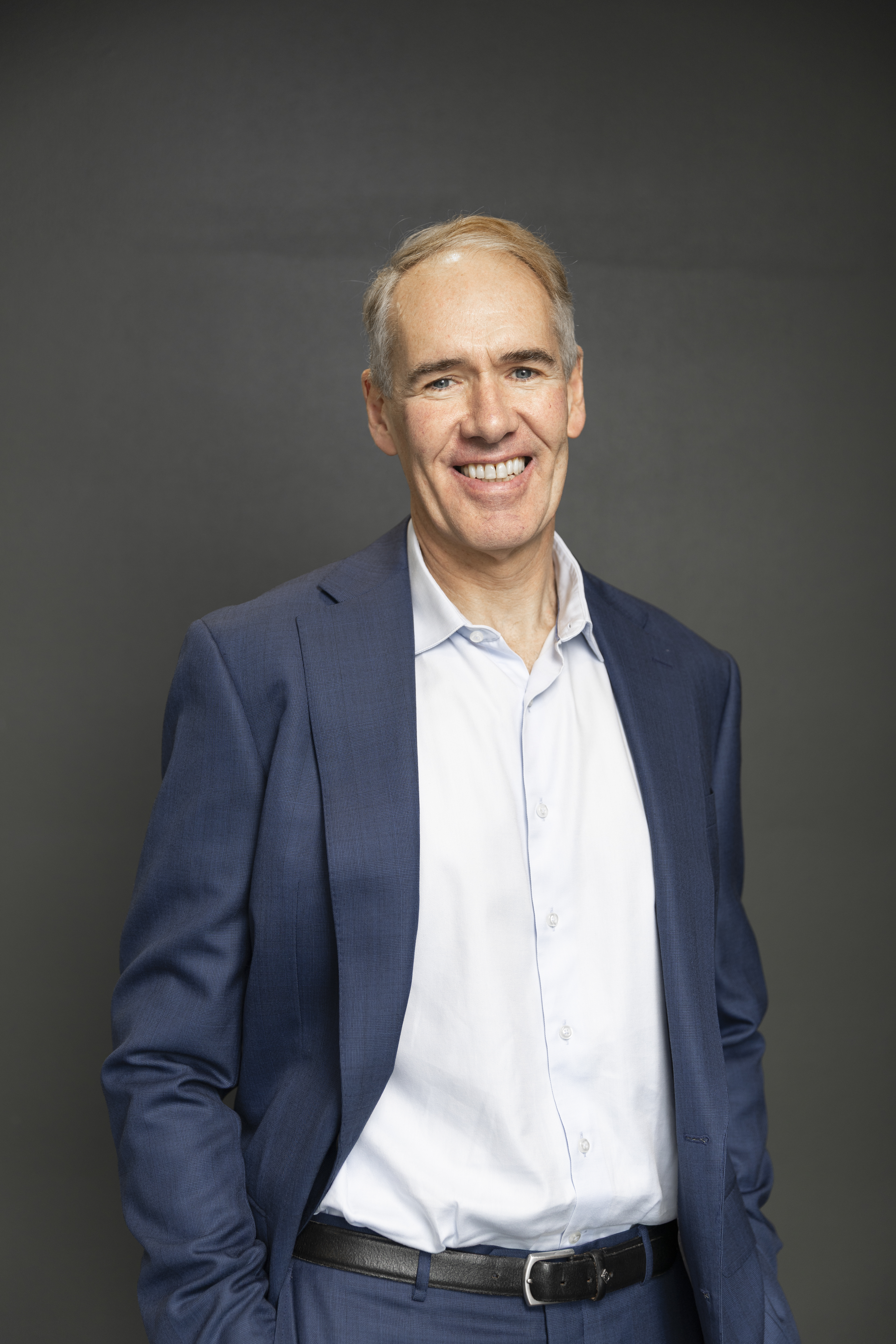
CEO and Institute Director, Professor Jason Kovacic introduces this edition of The Beat...
Read Jason's message →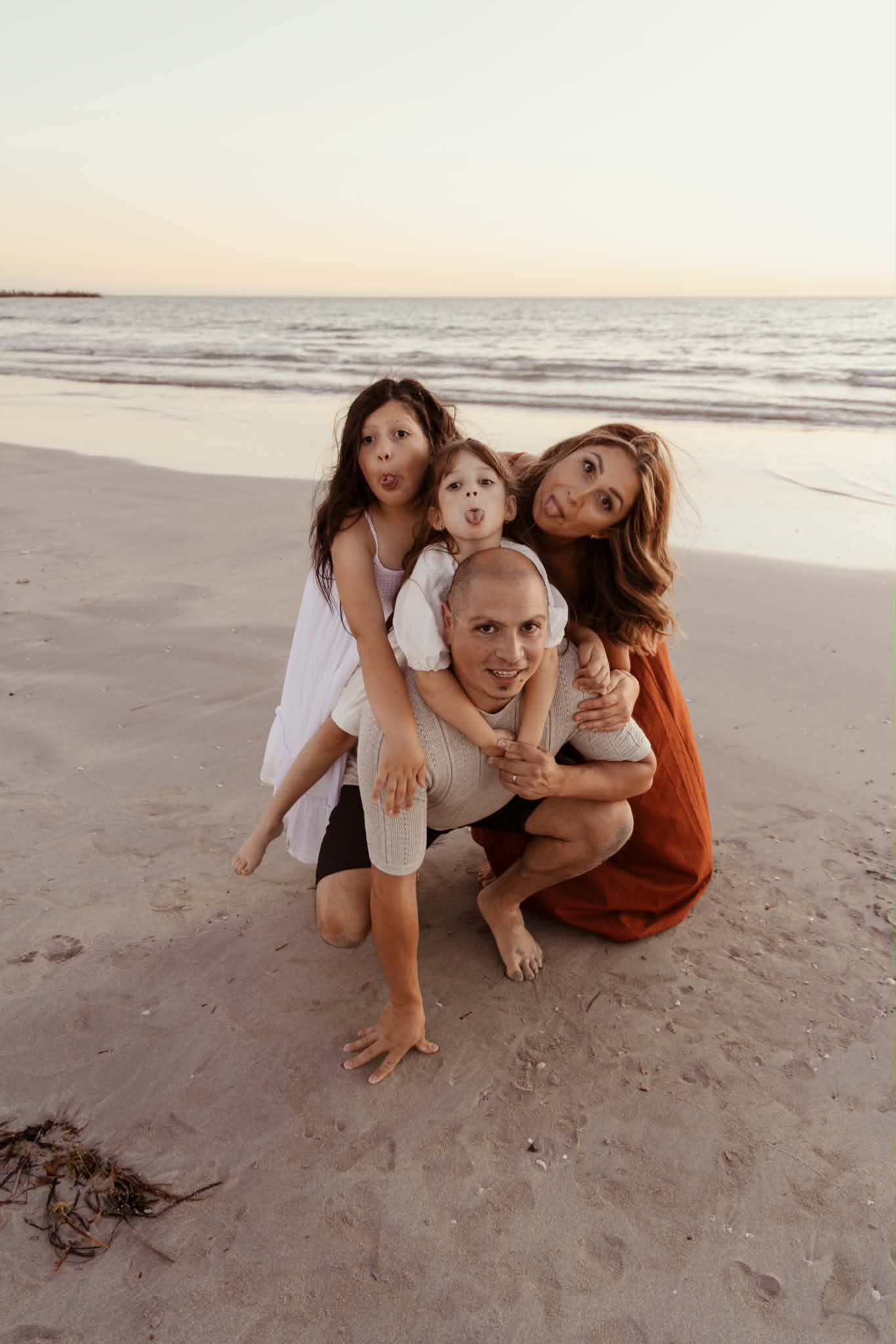
A Heart Event She Never Saw Coming
Renae’s experience of SCAD, her recovery, and the questions researchers are working to answer.
Read the story →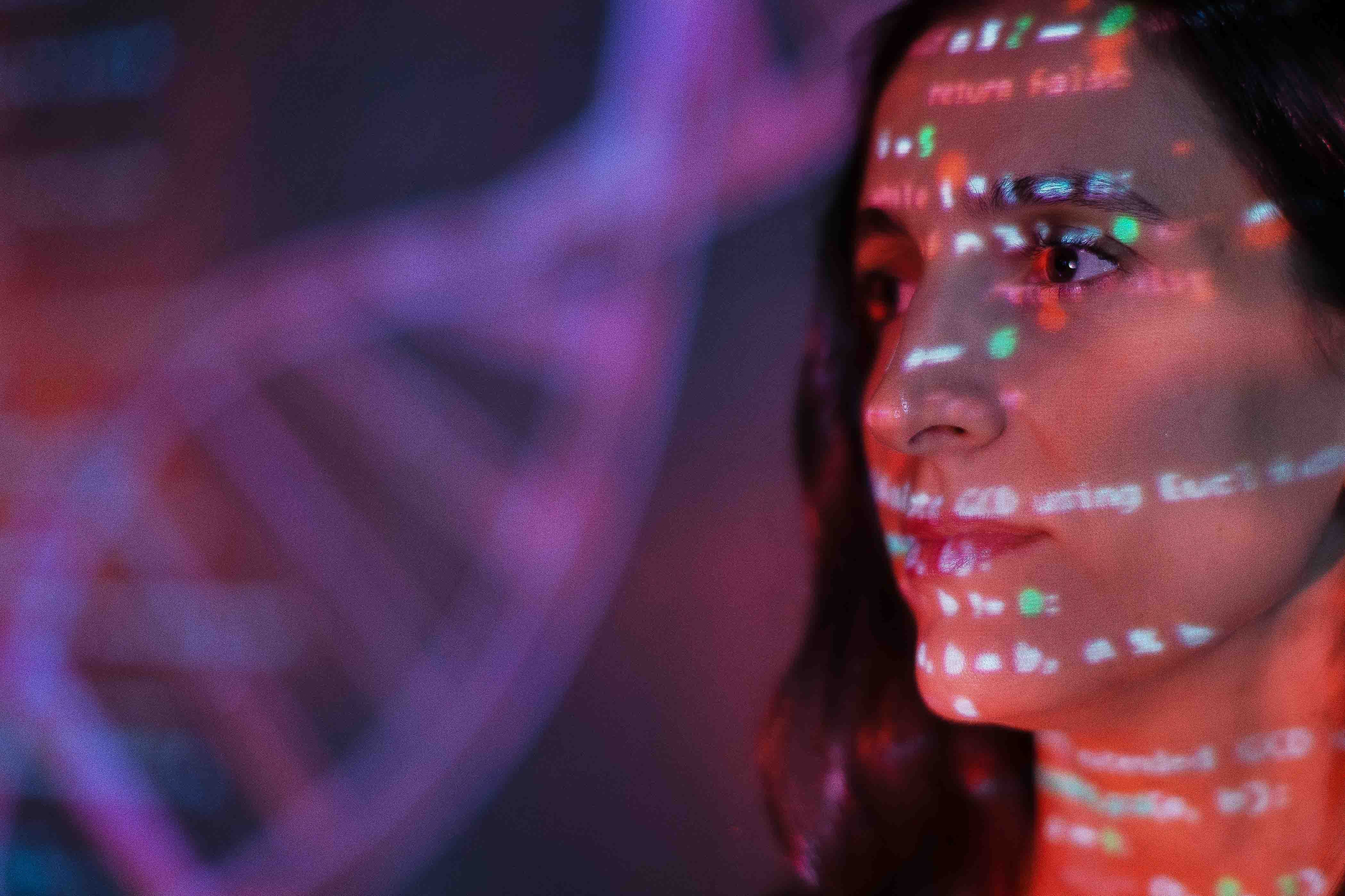
Inside the Institute: Professor Eleni Giannoulatou
Meet Professor Eleni Giannoulatou and explore how her team studies the genetics of heart disease.
Read the story →
Runners Go the Distance for Heart Research
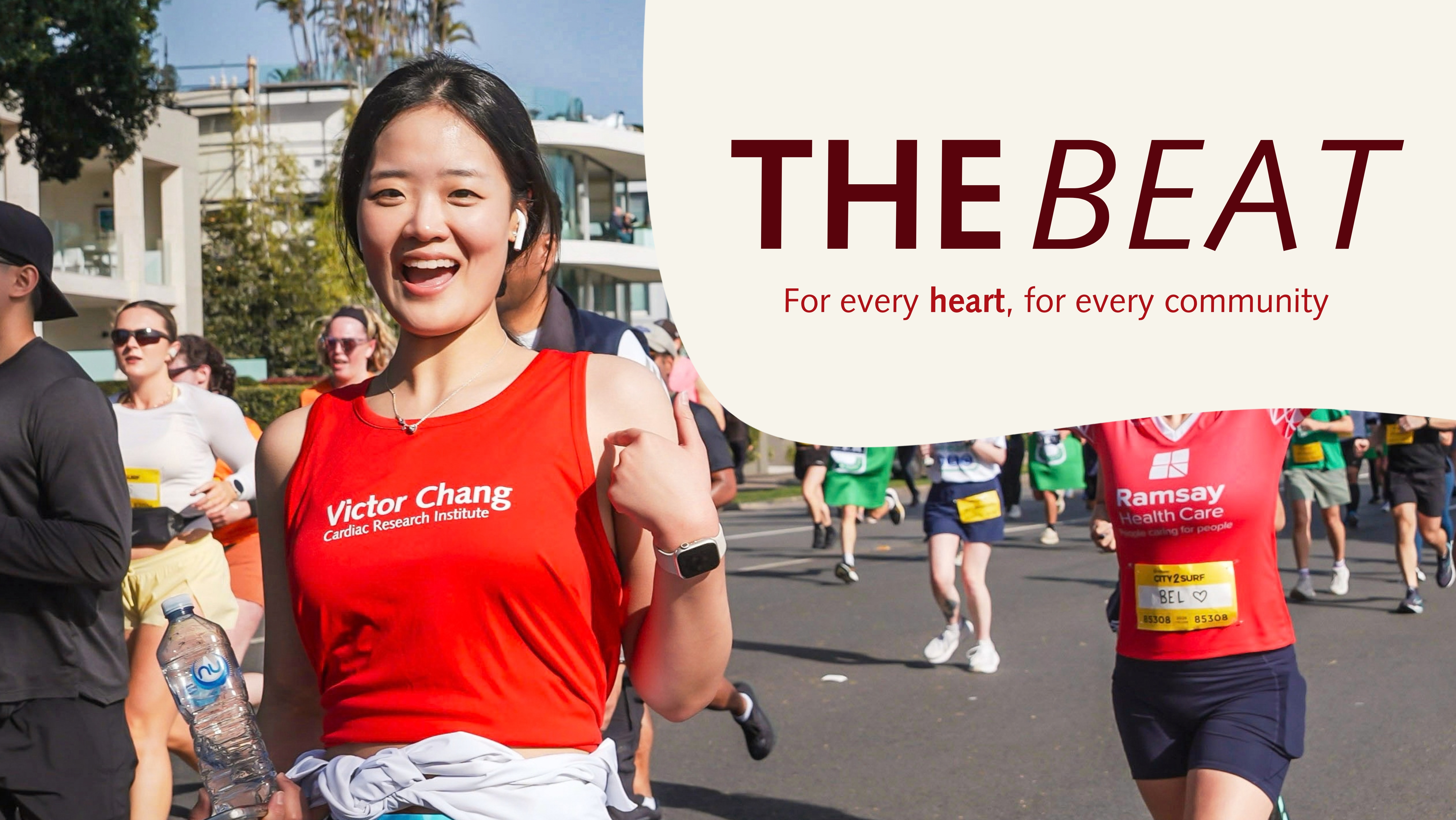
Our City2Surf and Sydney Marathon supporters turned every kilometre into support for heart research.
Read the story →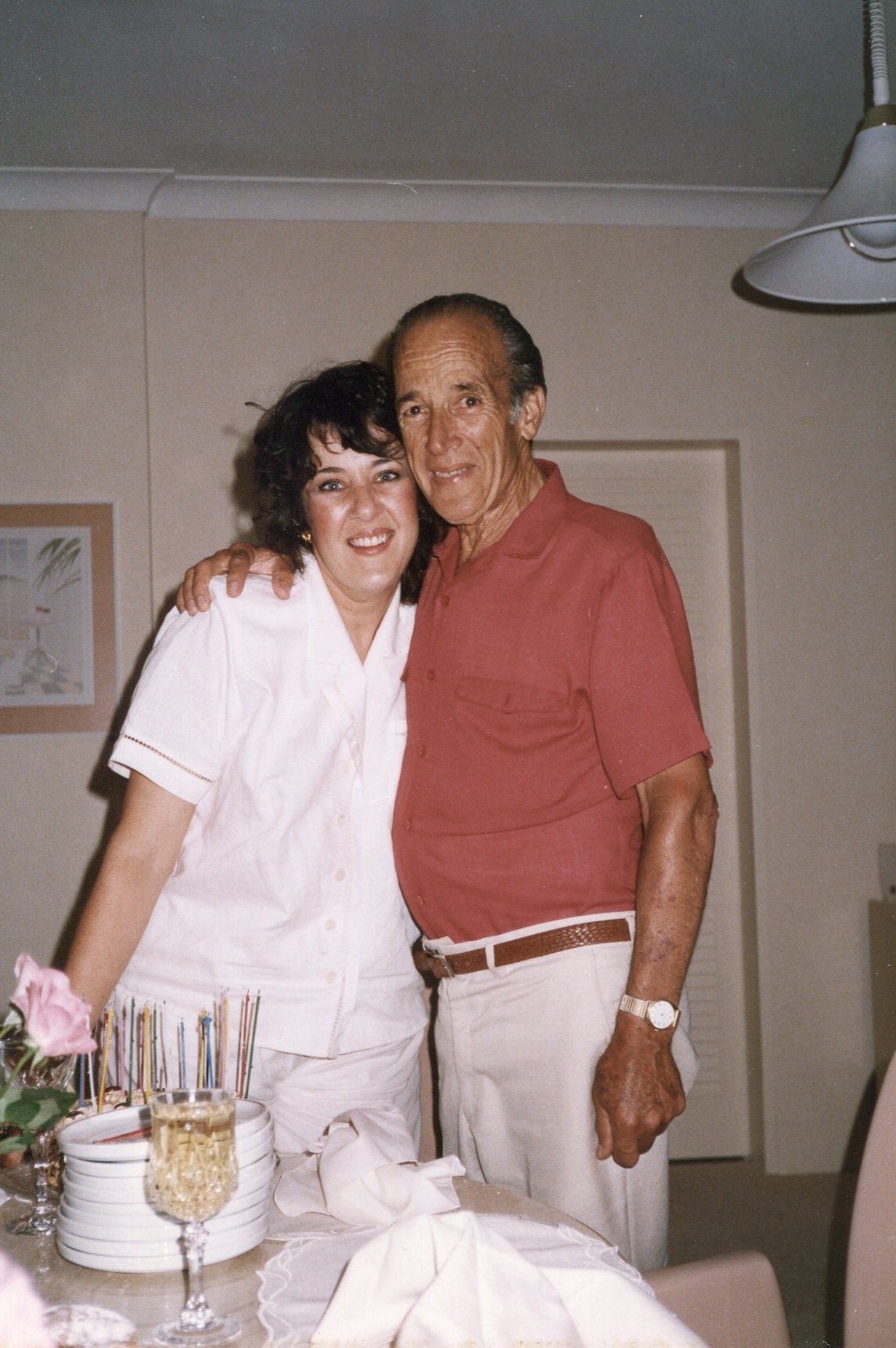
Carrying Forward a Father’s Legacy
How eight extra years with her father inspired Vicki Taranto to support research for future generations.
Read the story →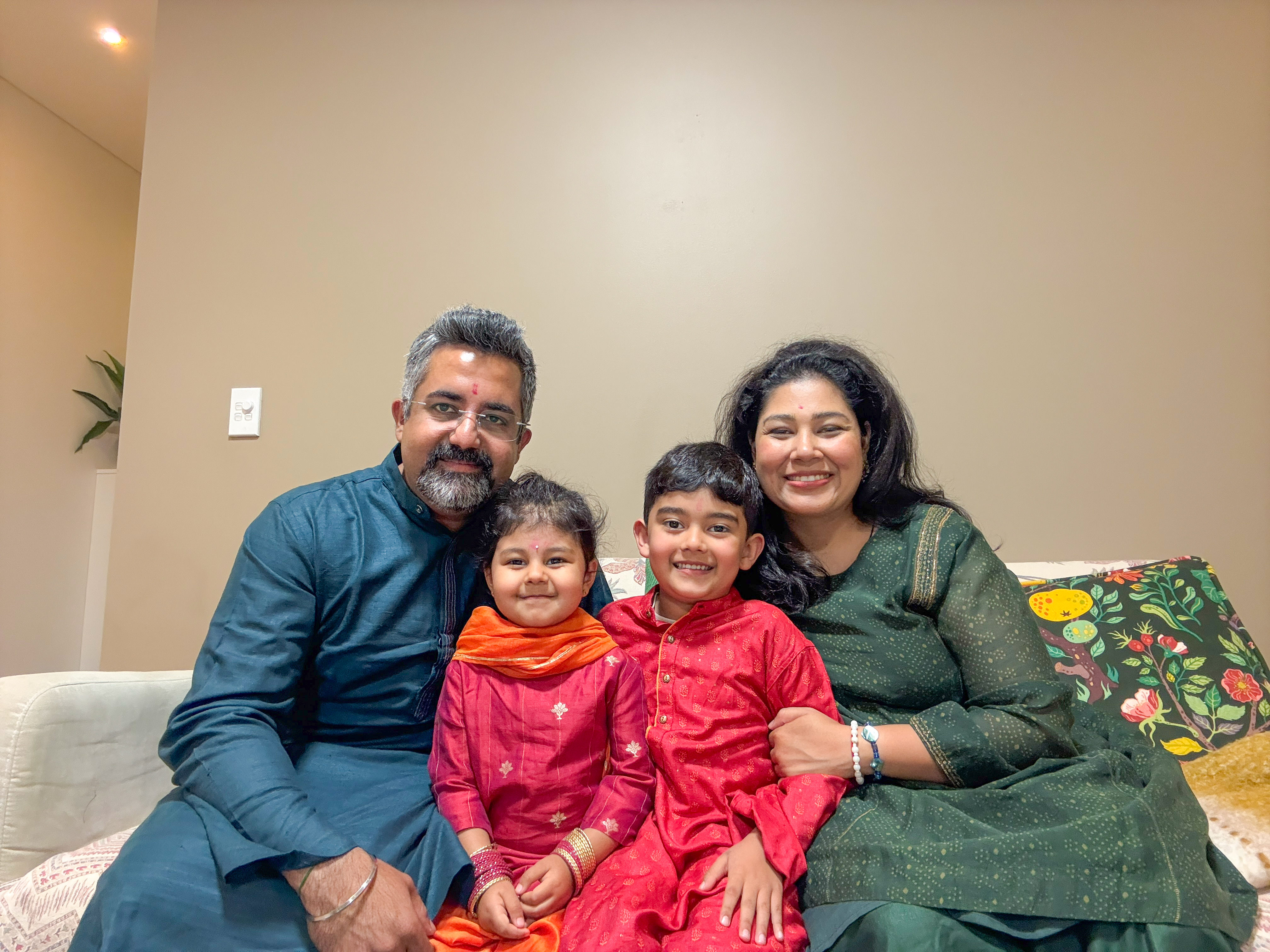
A Diagnosis That Changed Not One Life, but Three
When one-year-old Mehr was diagnosed with Brugada syndrome, her family's world changed. Thanks to genetic screening developed at Victor Chang Cardiac Research Institute, doctors caught it early. Today, Mehr is three years old and thriving.
Read Mehr's story →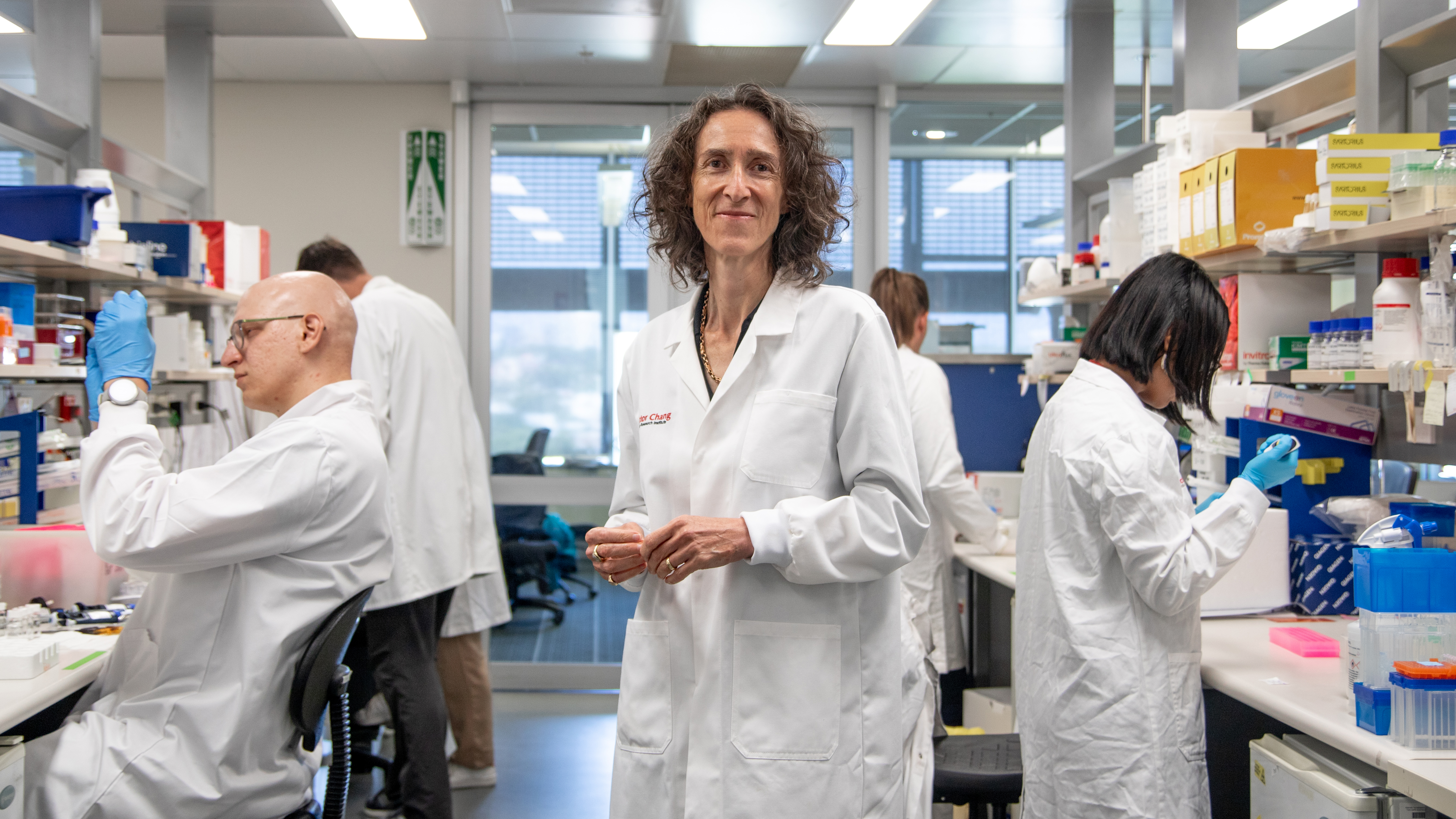
New Hope for Recurrent Miscarriage
Professor Sally Dunwoodie AO and her team have uncovered new insights into why recurrent miscarriage occurs, offering a path to prevention for the one in fifty couples affected.
Explore the research →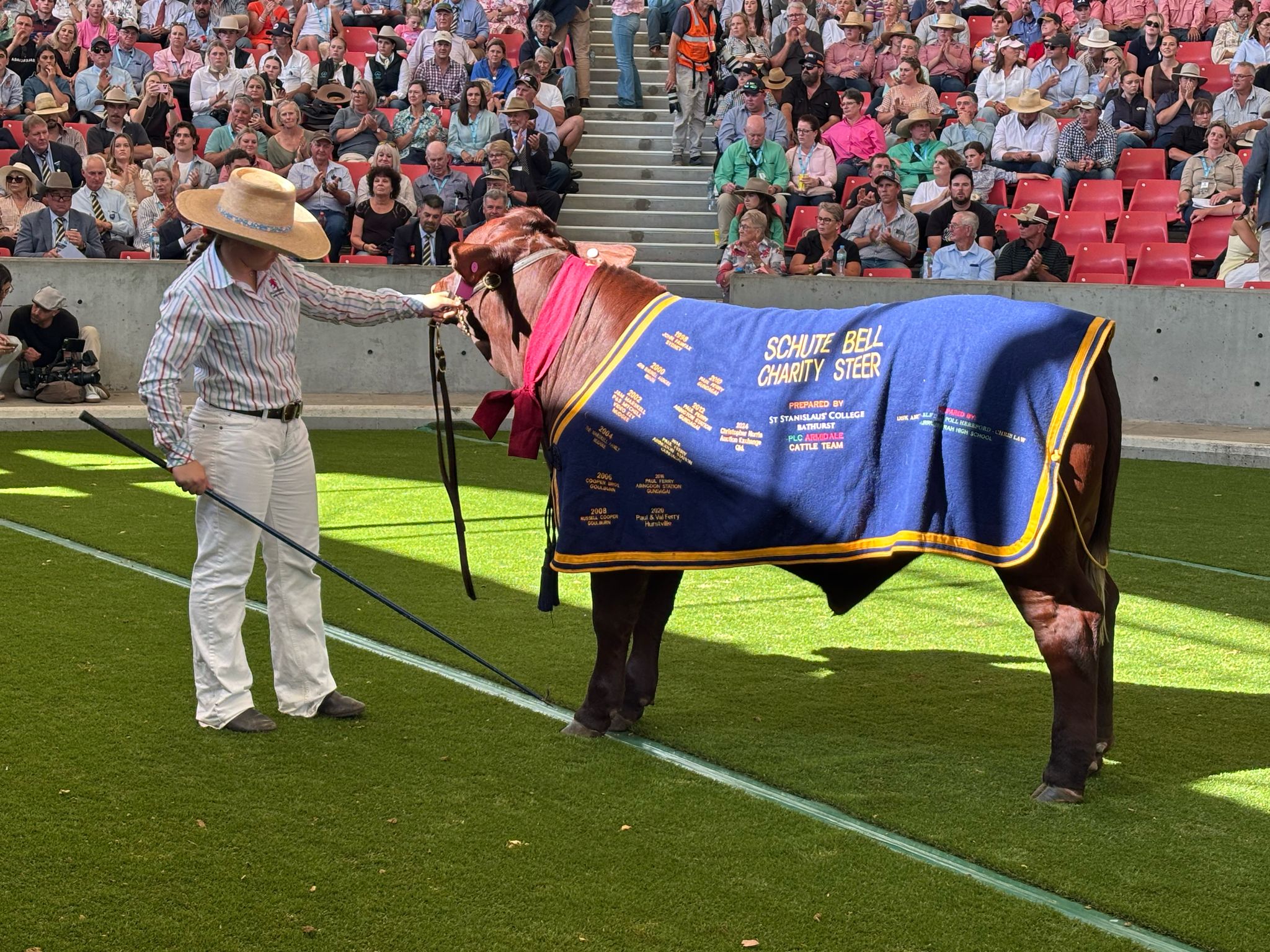
A Tradition of Giving That Supports Heart Research
For cattle farmer John Gray, support comes through donating a steer at the Sydney Royal Easter Show. Now in its 27th year, the tradition continues.
Read the story →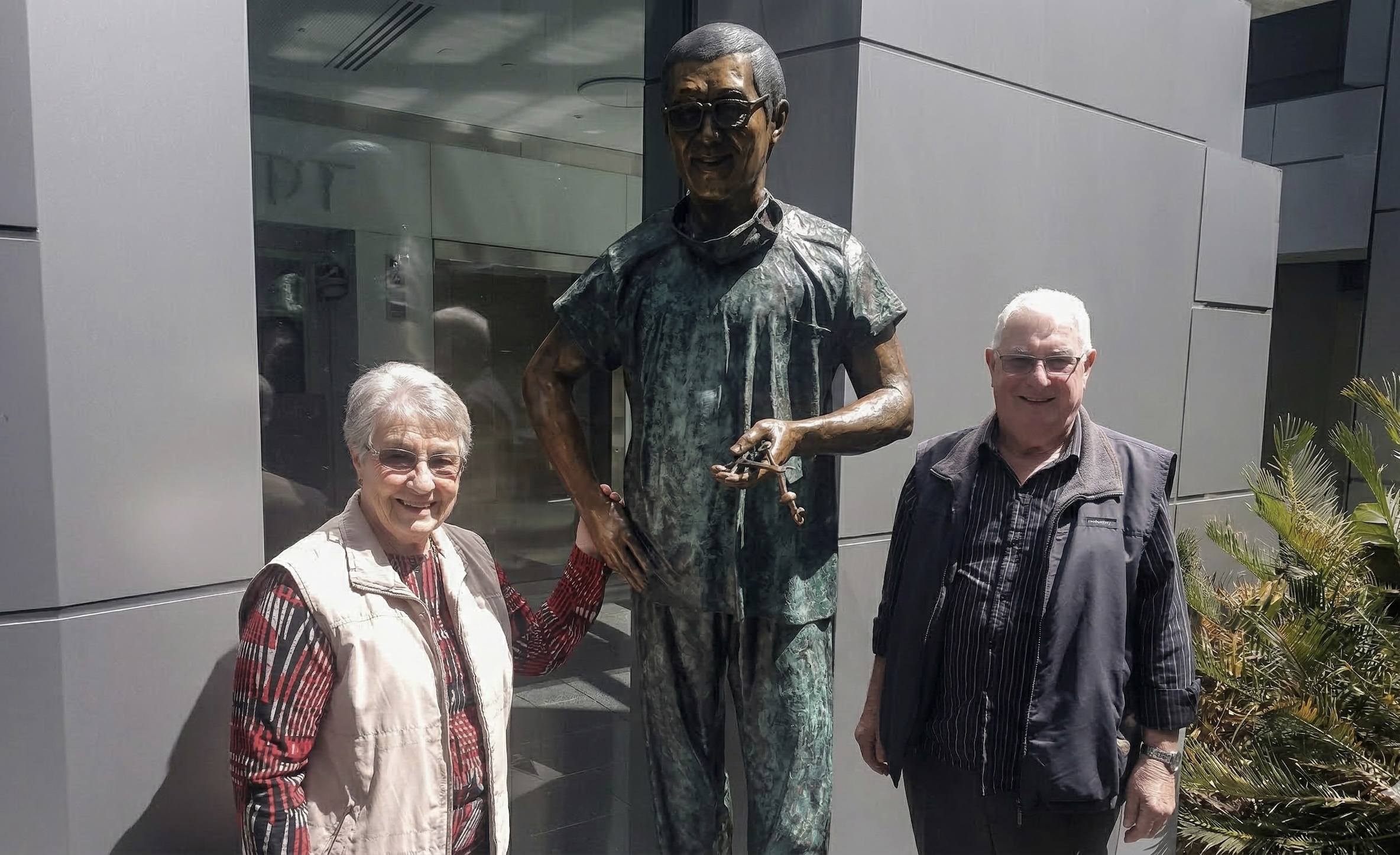
A Legacy Shaped by Gratitude
For over 20 years, Barry and Elaine have supported Victor Chang. Now, a gift in their Will ensures their gratitude lives on for future generations.
Discover their story →A Diagnosis That Changed Not One Life, but Three
Autumn Edition
A rare heart diagnosis, a life-saving screening test, and the family determined to share what they learned.
When Abhishek and Mansi put their one-year-old daughter, Mehr, to bed one evening, nothing suggested the medical emergency that would soon follow. Moments later, they realised something was terribly wrong. Mehr had stopped breathing.
Paramedics arrived within minutes and worked to stabilise her as she was rushed to hospital. Over the following weeks, Mehr remained in care as doctors searched for answers. Against the odds, she survived, and the cause of her sudden cardiac arrests was eventually identified as Brugada syndrome, a rare and potentially life-threatening genetic heart condition.
Mehr's diagnosis was made possible by a specialist screening test developed by researchers at the Victor Chang Cardiac Research Institute, allowing clinicians to more accurately identify Brugada Syndrome and assess risk within her family.
Working in partnership with the Heart Centre for Children at Sydney Children's Hospital at Westmead, the family underwent genetic testing. The results were life-changing. Mehr's mother was found to carry the same genetic variant, and Mehr's older brother, Agastya, also tested positive. In late 2025, he received an internal defibrillator to protect him long-term.
“The research didn't just save Mehr. It helped protect our son, gave us answers about our own health, and gave our family a future we might not have had.”
— Abhishek, Mehr's father
Today, Mehr is three years old, a bright and energetic child who has recovered remarkably well. Agastya is adjusting bravely to life with his device, supported by a family still coming to terms with everything they have faced.
For Abhishek and Mansi, the experience has reshaped how they think about heart health, genetics and the importance of early diagnosis. They are determined to share their story so other families understand the warning signs and the role research can play in protecting lives.
Stories like Mehr's are why continued support for cardiac research remains so important.
New Hope for Recurrent Miscarriage
Autumn Edition
Professor Sally Dunwoodie AO and her team are uncovering genetic links that could transform how we understand pregnancy loss.
For families who experience recurrent miscarriage, the search for answers can be long and emotionally draining. In many cases, no clear medical explanation is found, leaving parents without the understanding they need.
The laboratory of Professor Sally Dunwoodie AO at the Victor Chang Cardiac Research Institute has been working to change that. Her team's research has uncovered genetic variants that disrupt a critical biological process known as the NAD de novo synthesis pathway, which plays a vital role in healthy embryonic development.
When this pathway is impaired, it can lead to miscarriage or congenital abnormalities. By identifying the specific genetic changes involved, Professor Dunwoodie's work is helping to build a clearer picture of why some pregnancies fail, and what might be done to prevent it.
“For so many families, there are no answers. Our research aims to change that, by understanding the biology behind pregnancy loss so we can develop real solutions.”
— Professor Sally Dunwoodie AO
The team's findings have attracted international attention and are now being explored as the basis for potential screening tools and therapeutic approaches. The goal is to identify at-risk pregnancies earlier and, ultimately, to develop treatments that could support healthier outcomes.
This area of research sits at the intersection of genetics, reproductive health and developmental biology, and it represents one of the most promising avenues for addressing a challenge that affects millions of families worldwide.
With continued support, Professor Dunwoodie's team will be able to expand their research, move toward clinical trials, and bring new understanding to a condition that has long been under-researched.
A Tradition of Giving That Supports Heart Research
Autumn Edition
Now in its 27th year at the Sydney Royal Easter Show, the Charity Steer auction brings together farmers, students and families around a shared purpose.
Support for heart research takes many forms, and across Australia, people often give in ways that reflect who they are and where they live.
For cattle farmer John Gray, that support comes through donating a steer to be auctioned at the Sydney Royal Easter Show, with proceeds supporting heart research at the Victor Chang Cardiac Research Institute.
The Charity Steer auction has become a long-standing tradition at the Show, shaped over many years by supporters who return to the cattle ring again and again. For more than a decade, the auction was carried forward by the generosity of Paul Ferry, whose involvement helped establish it as a moment that brings students, farmers, buyers and families together around a shared purpose.
Now in its 27th year, the tradition continues welcoming new supporters whilst honouring the legacy of those who helped build it.
Did You Know?
Steers chosen for agricultural shows are carefully raised over many months and known for their calm temperament. The process of preparing a charity steer brings together students, farmers and families long before auction day.
If you're attending the Sydney Royal Easter Show this year, we invite you to be part of this tradition and see how community support for heart research comes to life.
Join us on Thursday, 2 April from 2pm as this year's charity steer helps drive life-saving heart research forward.
Save the Date
Charity Steer Auction
Thursday, 2 April 2026 from 2:00 pm | Sydney Royal Easter Show
A Legacy Shaped by Gratitude
Autumn Edition
How a life-saving operation in 1991 led to a bond with the Institute that will endure for generations.
For Barry and Elaine, their connection to the Victor Chang Cardiac Research Institute began more than three decades ago, at a moment that would change their lives.
In 1991, after Elaine suffered a stroke, doctors discovered she had mitral stenosis caused by untreated rheumatic fever as a child. During her treatment, Barry and Elaine learned that the procedure which helped save her life was made possible by Dr Chang. The operation was carried out by Dr Paul Roy at St Vincent's Hospital and marked the beginning of their enduring connection to the Institute.
Over the years, Elaine has faced ongoing heart challenges, including a mechanical mitral valve replacement in 2011, and later, a diagnosis of pulmonary arterial hypertension. Barry too, has experienced serious heart events, including a near-fatal heart attack and, more recently, the need for a pacemaker. Throughout it all, both have seen firsthand the importance of research, medical innovation and the people behind it.
“To show our gratitude, we started donating. We've continued our monthly donation for more than 20 years because we believe in the value of research. Every little bit helps.”
— Barry
Today, Barry and Elaine see their support as part of something enduring. By including the Institute in their Will, they hope their gratitude can live on, helping future generations benefit from the same research that has shaped their lives.
For those considering how they might leave a lasting legacy, please contact our Planned Giving Associate, Laura Svatos, for a confidential, no-obligation conversation.
Laura Svatos
Planned Giving Associate
+61 2 9295 8749
A Heart Event She Never Saw Coming
Approaching her 40th birthday, Renae had committed to improving her health and was feeling positive about the years ahead, exercising regularly while balancing a busy family life and caring for her two children.
Then, on 15 July 2025, everything changed.
While eating breakfast at home, Renae began experiencing severe pressure in her chest and upper back. The discomfort spread down both arms, leaving her confused and frightened. At first, she wondered if it was indigestion, but her father, a cardiac patient himself, immediately recognised something was seriously wrong and insisted they call an ambulance.
As paramedics transported her to hospital, significant changes appeared on her ECG. What followed was a whirlwind of tests, hospital stays and uncertainty before doctors determined that Renae had likely experienced a Spontaneous Coronary Artery Dissection, or SCAD. SCAD occurs when a tear develops in one of the arteries supplying blood to the heart, which can suddenly reduce blood flow and lead to a heart attack.
For Renae, surviving the event was only the beginning.
The emotional impact proved just as challenging as the physical recovery. She spent months grappling with anxiety and the fear that it could happen again. As a mother, thoughts of leaving her children behind became overwhelming.
“I suffered significant psychological trauma and spent almost a year trying to heal from the fear of it happening again.”
With support from her healthcare team, Renae gradually began to heal. Through that process, she learned to focus less on what might happen tomorrow and more on the moments happening right in front of her.
Professor Bob Graham AO and Professor Jason Kovacic are leading Australia's first research program into SCAD. With your continued support, we will keep asking questions that still need answers and help shape better futures for patients and families.
At the Victor Chang Cardiac Research Institute, we are working to deepen our understanding of SCAD and improve care for people affected by it. Renae’s story shows why continued research is so important to raise awareness of a largely underdiagnosed condition that disproportionately affects women.
Inside the Institute: Professor Eleni Giannoulatou
Every family affected by an inherited heart condition has questions.
- Why did this happen?
- Could someone else in the family be at risk?
- What can be done to help?
These are the kinds of questions Professor Eleni Giannoulatou and her team are trying to understand.
As Head of the Computational Genomics Group at the Victor Chang Cardiac Research Institute, Eleni studies the genetic information of people with cardiovascular disease, looking for patterns that may help explain why some people develop heart conditions while others do not. Finding these answers could help give families clearer diagnoses and a better understanding of their risk.
This can mean working through enormous amounts of genetic data and comparing tiny differences between individuals and families.
On their own, these differences may not tell researchers very much. But when viewed together, they can begin to reveal clues about disease risk, diagnosis and how a condition may be inherited.
New technologies, including artificial intelligence, are helping Eleni and her team make sense of this complex information more quickly and identify patterns that may otherwise be difficult to see.
For families living with inherited heart conditions, the hardest part is often not knowing what their diagnosis may mean for them or the people they love.
With your support, researchers like Eleni are helping build a clearer picture of why these conditions occur and how they can be better understood.
“Throughout my career, I have been passionate about translating genomic discoveries into better diagnosis, risk prediction and, ultimately, improved care for patients and their families.” — Professor Eleni Giannoulatou
Runners Go the Distance for Heart Research
From the start line in Sydney’s CBD to the finish lines at Bondi Beach and the Sydney Opera House, supporters of the Victor Chang Cardiac Research Institute laced up for two of Sydney’s biggest running events, turning every kilometre into meaningful support for heart research.
Together, we can go the distance for heart research
We were thrilled to have nine incredible runners take part in City2Surf alongside CEO and Institute Director Professor Jason Kovacic and his family. Whether chasing a personal best or simply running for a cause close to their heart, every kilometre was a reminder that regular exercise can help strengthen the heart and reduce cardiovascular risk.
That inspiring effort continued at the Sydney Marathon, where one dedicated fundraiser took on the iconic 42.2-kilometre course and raised an outstanding $2,087. Together, our City2Surf and Sydney Marathon fundraisers covered more than 168 kilometres and raised $4,474 for heart research.
These events show the power of community, bringing friends, families and colleagues together around a shared goal of supporting better heart health and the research helping create a future free from heart disease.
To everyone who ran, donated or cheered from the sidelines, thank you. Your energy and generosity are helping our researchers continue the discoveries that could change lives.
Our runners’ impact
- $4,474 raised for heart research
- 10 fundraisers
- 168.2 km completed
- City2Surf: $2,387 raised by 9 runners
- Sydney Marathon: $2,087 raised by 1 runner
Carrying Forward a Father’s Legacy
Thanks to the care of Dr Victor Chang, Vicki Taranto had eight extra years with her father, Vince. Those eight years of memories, family moments and time together remain priceless to her today.
On 2 May 1989, Vicki lost her beloved father after a long battle with heart disease at 64, but the way he lived his life has stayed with her ever since.
“My father was a loving father and husband who showed humility, courage, dignity and strength throughout his life,” Vicki recalls.
While Vince never had the opportunity to enjoy the retirement dreams he had hoped for, his family remains deeply thankful for the extra years he was given.
More than three decades later, Vicki still holds onto those eight years gifted to her family, thanks to research and the care provided by Dr Victor Chang.
Vicki’s connection to the Institute deepened when she visited and met the researchers carrying forward Dr Chang’s vision. Seeing stem cells beating in the laboratory and meeting the scientists behind today’s cardiovascular research gave her a new appreciation for how discovery can change lives.
That experience helped shape Vicki’s decision to leave a gift in her Will to support cardiovascular research for generations to come. It is a decision guided by a lesson from her father that has stayed with her throughout her life:
“Quality, not quantity is important in one's life. If my future contribution via my Will enables productive and life-changing cardiovascular research to allow others to achieve both longer and happier, healthier, fruitful lives, then my father would indeed be very pleased.”
Vicki knows how precious extra time with someone you love can be. By leaving a gift in her Will, she hopes to help other families have more moments, memories and years together.
For those considering how they might leave a lasting legacy, please contact our Planned Giving Associate, Laura Svatos, for a confidential, no-obligation conversation.
Laura Svatos · Planned Giving Associate
+61 2 9295 8749
l.svatos@victorchang.edu.au
A Message about this Edition
What an extraordinary few months it has been for the VCCRI community.
Most recently, hundreds of people came together for Australia’s first ever Medical Research Giving Day, helping us raise an incredible $302,047 for heart research. At the centre of this campaign was Inayah, a remarkable young girl whose story is a powerful reminder of why this work matters.
For children like Inayah, research means hope. Hope for better treatments, better outcomes and, ultimately, a future where fewer children and families have to face the uncertainty of heart disease.
But while we have made enormous progress, there is still so much we do not understand.
In this edition of The Beat, you will meet a patient whose experience has raised questions around Spontaneous Coronary Artery Dissection, or SCAD. SCAD is an important area of research for me personally and one where many questions remain unanswered. By improving our understanding of why SCAD occurs, who may be at risk and how it can be better recognised and treated, we hope to improve care for patients and families in the future.
You will also meet Professor Eleni Giannoulatou, one of our wonderful researchers exploring how artificial intelligence can help us approach cardiovascular research in new ways.
AI is already changing how we analyse complex information and identify patterns within enormous amounts of anonymised data. Used thoughtfully alongside the expertise of our scientists and clinicians, these tools have the potential to help us ask new questions, accelerate discovery, and ultimately better understand heart disease.
This combination of deep scientific expertise, emerging technology and a determination to solve some of the most challenging problems in cardiovascular health is an exciting part of where the Victor Chang Cardiac Research Institute is heading.
None of it, however, happens without people like you.
Over the past few months, that community has shown up in so many different ways. You have supported our Tax Appeal, taken on Heartbreak Hill at City2Surf, rallied behind Giving Day, shared our work with family and friends, and continued to champion heart research in communities across Australia.
To every person who has donated, fundraised, run, volunteered, shared our stories or simply followed our work, thank you.
I hope you enjoy this edition of The Beat and the people and stories within it. They are a wonderful reminder of why we do what we do, and why your support matters so much.
Professor Jason Kovacic
Director & CEO
What you made possible
Your generosity is helping move heart research forward. Through our Tax Appeal and Medical Research Giving Day, you’ve supported our scientists as they work towards better treatments and brighter futures for people living with heart disease.
Upcoming Events
Bring your family and friends together for a fun community event while helping support research into Spontaneous Coronary Artery Dissection (SCAD), an often-overlooked cause of heart attacks, and improve outcomes for those affected.
Enjoy a day of golf, fundraising and community spirit while supporting lifesaving heart research. The event will raise vital funds and awareness for inherited heart conditions, bringing hope to families affected by heart disease.
Join the Walk for Life community at Centennial Park to remember and celebrate the lives of young people who have died suddenly from a cardiac arrhythmia.

