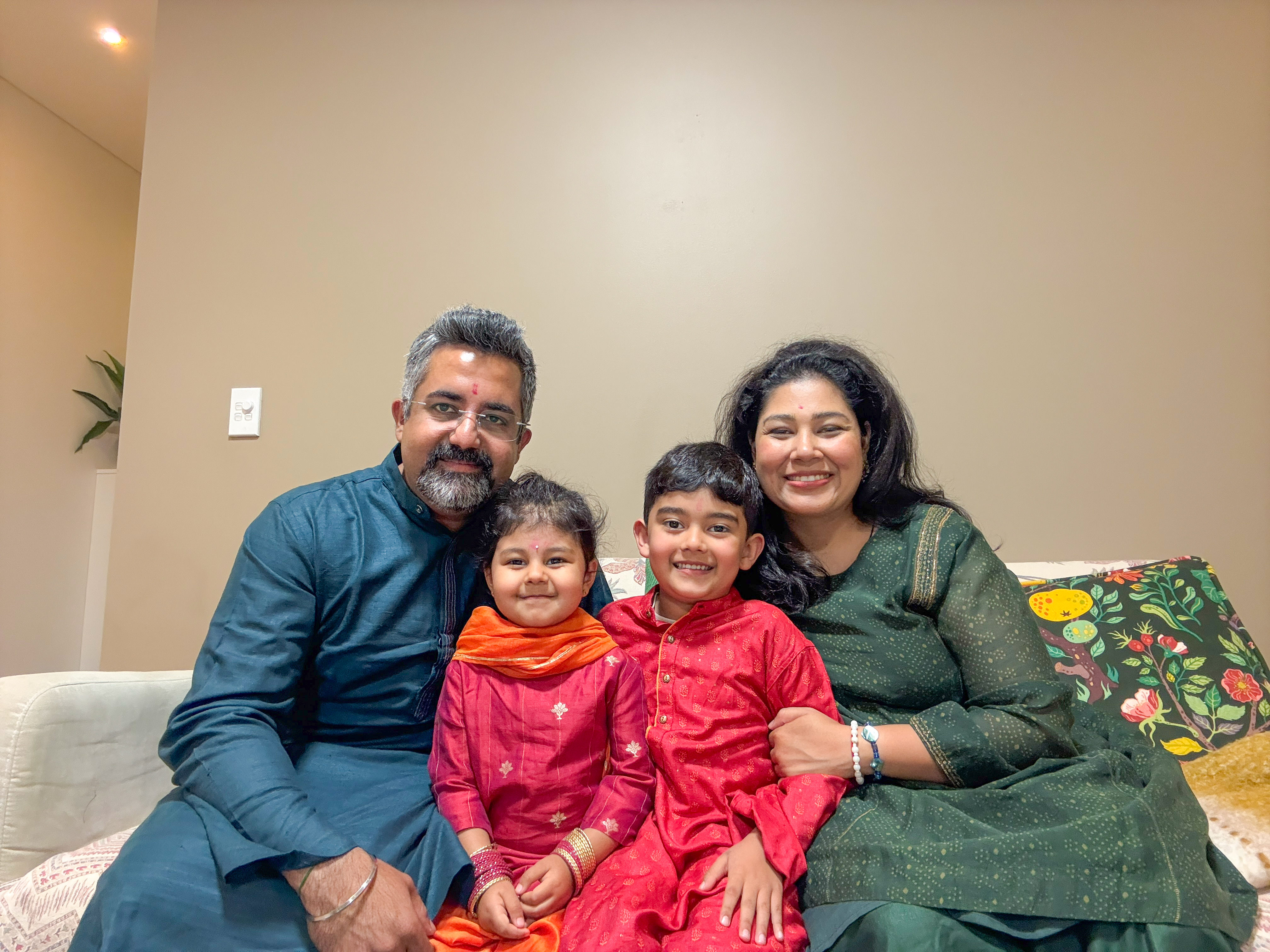
A rare heart diagnosis, a life-saving screening test, and the family determined to share what they learned.
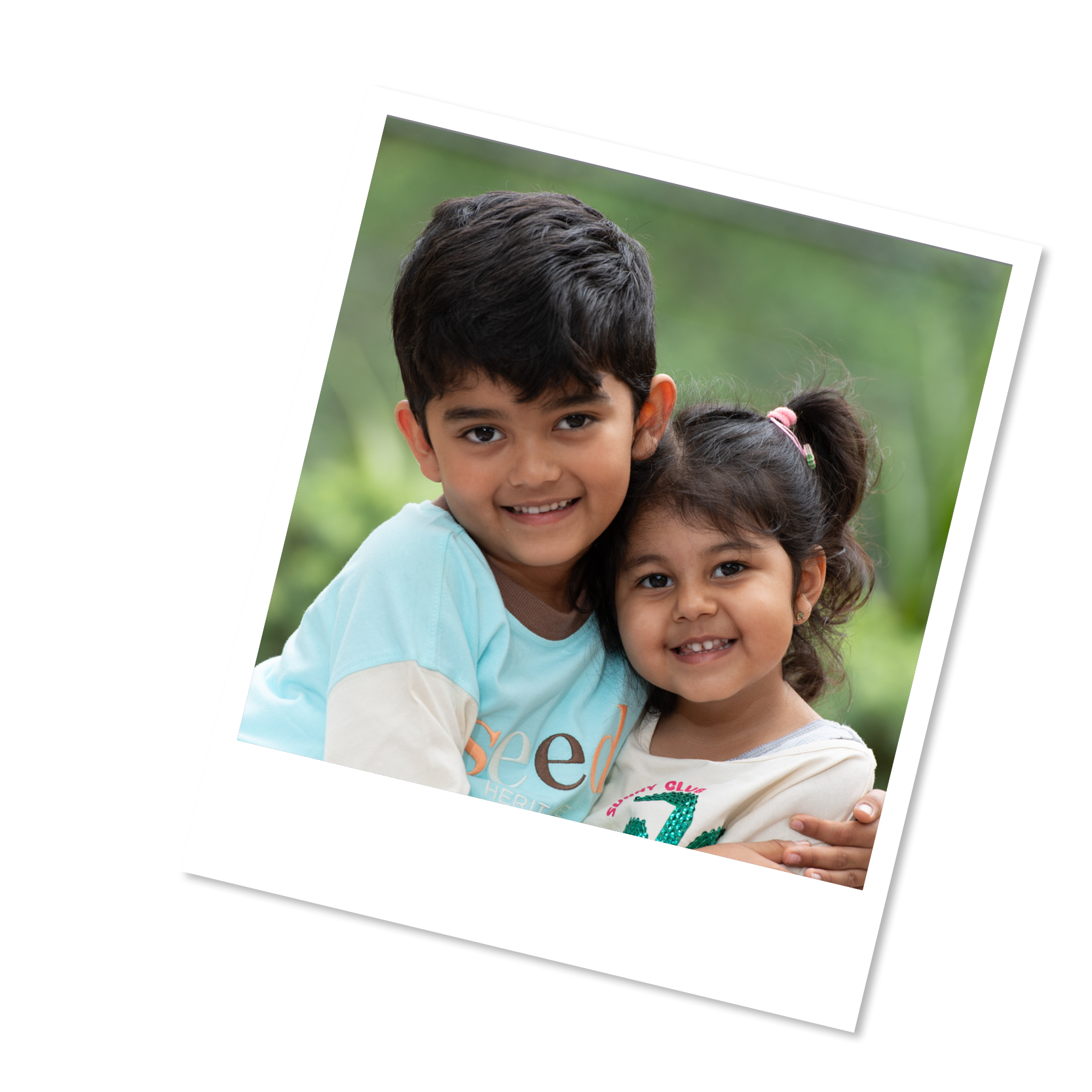
When Abhishek and Mansi put their one-year-old daughter, Mehr, to bed one evening, nothing suggested the medical emergency that would soon follow. Moments later, they realised something was terribly wrong. Mehr had stopped breathing.
Paramedics arrived within minutes and worked to stabilise her as she was rushed to hospital. Over the following weeks, Mehr remained in care as doctors searched for answers. Against the odds, she survived, and the cause of her sudden cardiac arrests was eventually identified as Brugada syndrome, a rare and potentially life-threatening genetic heart condition.
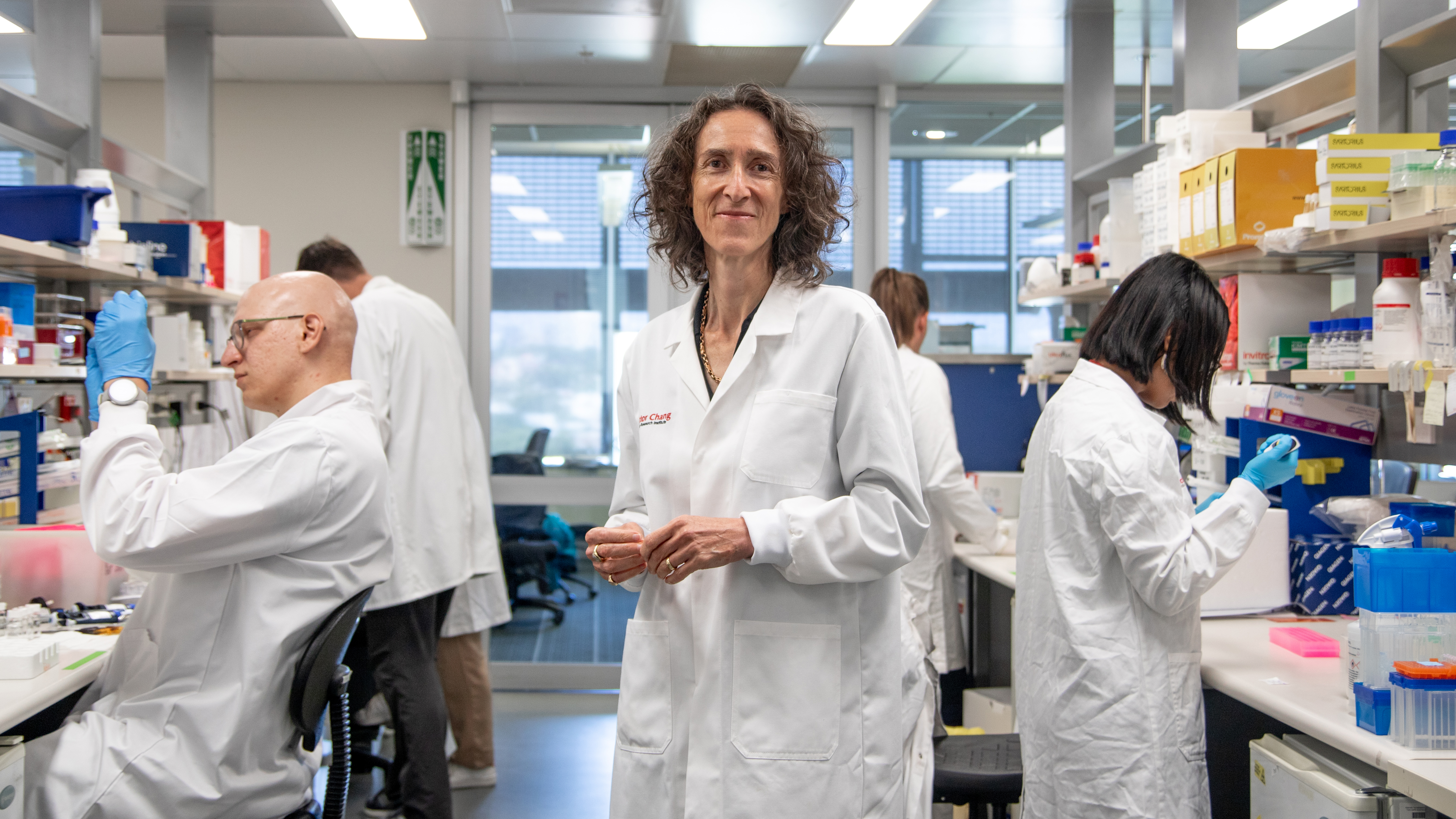
Mehr's diagnosis was made possible by a specialist screening test developed by researchers at the Victor Chang Cardiac Research Institute, allowing clinicians to more accurately identify Brugada Syndrome and assess risk within her family.
Working in partnership with the Heart Centre for Children at Sydney Children's Hospital at Westmead, the family underwent genetic testing. The results were life-changing. Mehr's mother was found to carry the same genetic variant, and Mehr's older brother, Agastya, also tested positive. In late 2025, he received an internal defibrillator to protect him long-term.